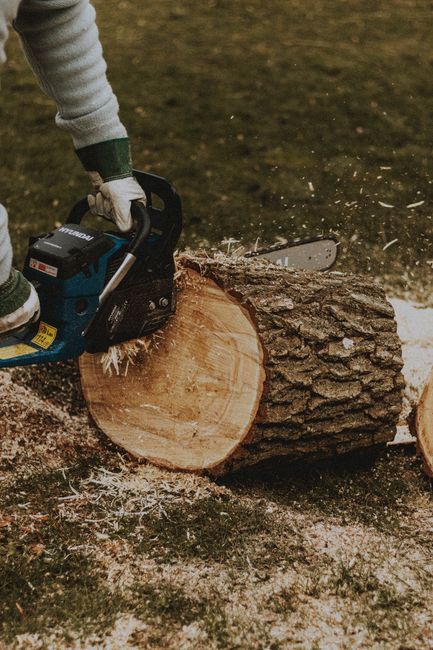
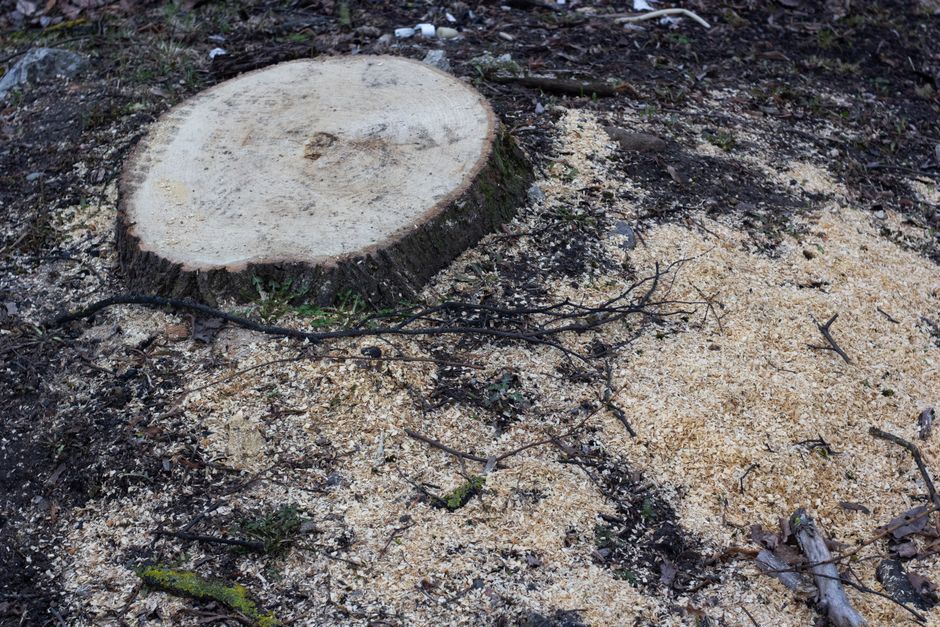
Frognal gardeners permit guide for tree work and stump removal
If you are planning tree work in Frognal, the paperwork can feel more confusing than the pruning itself. One minute you are thinking about a leaning branch or an ugly old stump, the next you are wondering whether a permit, consent, or specialist process is needed. This guide explains the Frognal gardeners permit guide for tree work and stump removal in clear English, so you can move ahead safely, avoid delays, and make sensible decisions from the start.
Whether you are dealing with a mature garden tree, a damaged specimen after rough weather, or a stump that keeps getting in the way of a new layout, the details matter. Some jobs are straightforward. Others need a careful check before anyone touches a saw or a stump grinder. Below, you will find the practical steps, common pitfalls, and the best way to approach the work without creating avoidable headaches.
Table of Contents
- Why this guide matters
- How the permit process usually works
- Key benefits and practical advantages
- Who this is for and when it makes sense
- Step-by-step guidance
- Expert tips for better results
- Common mistakes to avoid
- Tools, resources and recommendations
- Law, compliance, standards, and best practice
- Options, methods, and comparison table
- Case study or real-world example
- Practical checklist
- Conclusion
- Frequently Asked Questions
Why Frognal gardeners permit guide for tree work and stump removal Matters
Tree work is one of those jobs that looks simple from the pavement and turns complicated as soon as you get into the details. A branch overhanging a fence, roots lifting paving, a stump hiding near a boundary line, or a tree with a protected status can all change what is allowed and what needs checking first. That is why a proper Frognal gardeners permit guide for tree work and stump removal matters: it helps you avoid doing the right job in the wrong way.
In London, tree-related work often sits at the intersection of garden maintenance, property improvement, neighbour relations, and local compliance. If you rush, you can end up with a mess that is not just inconvenient but expensive to correct. To be fair, nobody plans for a permit problem when they are just trying to tidy a garden. But the problem appears quickly if a tree is subject to protection, if roots are affecting shared ground, or if access means machinery has to cross someone else's land.
There is also the practical side. A stump left in the ground can become a trip hazard, a pest magnet, or a future obstacle for planting, fencing, or landscaping. A tree removed without thought can leave an exposed patch, drainage issues, or an awkward boundary view that annoys you every time you step outside. Small job, big ripple effect.
Expert summary: treat tree work and stump removal as a planning task first, and a cutting task second. The work goes smoother when the legal and practical checks happen before the tools come out.
If the wider garden needs resetting after tree removal, services such as garden clearance or landscaping may also become part of the picture. That is often the point where a project stops being "just one stump" and becomes a proper garden refresh.
How Frognal gardeners permit guide for tree work and stump removal Works
The permit side of tree work usually starts with one basic question: is the tree or stump subject to any restrictions? In many cases, the answer depends on location, ownership, size, species, site conditions, and whether the tree is covered by a preservation order or sits in a conservation-style setting. The exact requirements can vary, so the safest approach is to check before scheduling any removal, pruning, crown work, or stump grinding.
A practical permit workflow normally looks like this:
- Identify the tree or stump - note its location, approximate size, condition, and proximity to boundaries, buildings, and services.
- Check ownership - confirm whether the tree stands fully within your property or on shared or neighbouring land.
- Review restrictions - look for any sign that consent, notice, or specialist approval may be needed before work begins.
- Decide the scope - pruning, felling, stump removal, root management, or full site clearance all carry different implications.
- Plan the method - manual extraction, stump grinding, sectional removal, or controlled dismantling may each suit different sites.
- Prepare access and safety - think about gates, paths, overhead lines, pets, vehicles, and neighbour boundaries.
- Carry out the work - only once the checks are complete and the plan is clear.
- Finish and restore the site - backfill, level, replant, or tidy the area so the garden is genuinely usable again.
On a normal domestic job, the biggest delay is often not the cutting itself. It is the checking. A tree surgeon or gardener with the right experience will usually ask about location, constraints, and the end goal before quoting. That is a good sign, not an inconvenience. It means they are thinking ahead rather than improvising on the day.
For larger jobs, especially where the tree is old, close to a structure, or part of a wider redesign, it may make sense to combine tree work with tree surgery or tree lopping and removal. The wording sounds similar to a lot of people, but the job can be very different depending on whether you need selective pruning, full removal, or a safer dismantle in stages.
Key Benefits and Practical Advantages
Doing the permit and planning work properly saves time, money, and frustration. More importantly, it keeps the garden usable and reduces the chance of rework later. That sounds obvious, but you would be surprised how often a rushed stump removal creates a second problem, such as broken edging, damaged soil levels, or a surprise root issue beneath a patio.
- Fewer delays: clear checks upfront reduce the risk of work stopping halfway through.
- Better safety: tree work is inherently risky, and stump grinding throws up debris fast if it is not controlled.
- Cleaner outcomes: removal and reinstatement can be planned together rather than dealt with piecemeal.
- Less neighbour friction: checked work is easier to explain if the tree sits near boundaries or shared access.
- Smarter spend: when the stump, roots, and surrounding surface are assessed together, you avoid paying for repeat visits.
There is also a visual benefit. Once a stump is gone and the ground is restored, the whole garden often feels larger, calmer, and more finished. A patch of old timber in the middle of a lawn has a way of making everything look a bit unfinished. Remove it and the place can breathe again.
If the tree work is part of a bigger tidy-up, combining it with garden maintenance can help keep the space in good shape after the heavy work is done. That is particularly useful if you want to avoid the "job done, garden ignored" trap. We have all seen that one.
Who This Is For and When It Makes Sense
This guide is useful for homeowners, landlords, tenants with permission, property managers, and anyone looking after a garden in Frognal where a tree or stump is becoming a practical problem. It is especially relevant if you are planning building work, fencing, new planting, or hard landscaping and the stump is standing right in the way.
It makes sense to follow this guide if:
- you want a tree removed or reduced in size safely
- you need a stump ground down after felling
- you are unsure whether the tree is protected or restricted
- the stump is close to a path, patio, or boundary fence
- roots are affecting surfaces, edging, or nearby structures
- you are rearranging the garden and want a clean finish
It is also useful if you are comparing different services. Some jobs are better handled through a general gardening team, while others need specialist tree expertise. If the tree is healthy but needs shaping, hedge trimming is a different category entirely. If the space has become cluttered with cuttings, old timber, and debris, a broader garden clearance visit might make more sense than a one-off cut and run.
And yes, there are times when doing nothing is the best option for now. If the tree is healthy, clearly protected, or still serving a useful screening purpose, the smartest move may be to wait and get proper advice first. Not every awkward stump needs immediate removal on a Monday morning. Some do. Some don't.
Step-by-Step Guidance
Here is the simplest way to approach tree work and stump removal without getting lost in jargon or guesswork.
1. Start with a proper visual check
Look at the tree from different angles. Is it dead, leaning, split, damaged, or simply too large? Is the stump just ugly, or is it also causing a trip risk or blocking a new project? A few minutes of careful looking can save a lot of back-and-forth later.
2. Confirm who owns the tree
If the tree sits near a boundary, ownership matters. A stump on your side may still be tied to a shared tree, and that changes who should be consulted. This is one of those plain but annoying details that often gets missed until the neighbour asks a very direct question.
3. Check for restrictions before booking work
Do not assume removal is automatically allowed. Protected trees, local planning constraints, and similar restrictions can affect whether pruning, lopping, or stump removal can proceed. If in doubt, pause and verify.
4. Decide whether you need pruning, removal, or stump treatment
Sometimes the tree does not need to come out at all. Sometimes only the stump needs grinding. Sometimes the best outcome is a reduced crown, better light, and a tidier base. Choosing the right treatment matters more than choosing the loudest one.
5. Prepare the site
Move pots, furniture, children's toys, and anything breakable. Make sure the team can get to the tree or stump without squeezing through a narrow gap. If the job is near a patio, take extra care. One careless move can chip paving or leave sawdust in places you will still be finding at teatime.
6. Agree the disposal and finishing works
Ask what happens to the arisings: timber, branches, grindings, and stump debris. If the site is being re-used for planting or paving, make sure the aftercare is understood too. A stump hole filled badly can sink later, which is no fun at all.
7. Review the finish
Once the work is complete, check the level, the stability, and whether the site now fits your plan. If you are going on to re-turf, replant, or install a feature, timing matters. Getting the tree work right is only half the job.
Expert Tips for Better Results
In our experience, the best outcomes come from clear decisions and boringly careful preparation. That sounds less glamorous than a dramatic felling video, but it works.
- Get clear on the end goal first. If you want a planting bed, a lawn, or a paved area, tell the team before any cutting starts.
- Think about roots, not just trunks. A stump may be gone while the root system still affects soil movement or nearby hard landscaping.
- Plan the finish around the garden layout. A stump removal near a fence, for example, may be better coordinated with fencing work if the boundary is being renewed.
- Choose the least disruptive method that suits the site. Not every stump needs aggressive treatment. Sometimes careful grinding is enough.
- Allow for weather and ground conditions. Wet ground can affect access, compaction, and the quality of reinstatement. London mud is not elegant, let's face it.
One very practical tip: take photos before the work starts. A quick record of the stump, surrounding paving, and nearby plants makes it much easier to compare the finish later. It is a small habit, but a useful one.
If you are improving the wider space, think about sequence. Tree work first, then surface repair, then planting or lawn restoration. That order usually saves grief. For lawns that need recovery after heavy access, a follow-up with lawn care or lawn mowing can help the area settle back into shape.
Common Mistakes to Avoid
Most problems with tree work and stump removal come from assumptions. The second biggest problem is underestimating access. The third is forgetting that a stump is not always just a stump.
- Assuming permission is automatic. Never rely on guesswork if the tree may be protected or restricted.
- Skipping the ownership check. Shared boundaries create awkward conversations fast.
- Ignoring underground hazards. Roots, drainage runs, cables, and services need consideration before stump work begins.
- Forgetting reinstatement. A hole, a mound of grindings, and loose soil are not a finished garden.
- Choosing the cheapest quote without asking what is included. Removal, grinding, waste disposal, and making good may not all be bundled together.
- Not planning around adjacent surfaces. Patios, decking, and paving can be damaged if access and vibration are not managed properly.
It is also easy to overdo the fix. A stump that is already decaying may not need heroic treatment if the real objective is simply to restore usability. The right level of intervention is often a lot more sensible than the biggest one.
Tools, Resources and Recommendations
You do not need to be a tree specialist to make a sensible start, but it helps to know what professional teams typically use and why. For stump removal, the main method is often stump grinding, which reduces the stump below ground level and leaves a manageable area for backfilling. For more complex tree work, sectional dismantling, rigging equipment, and protective gear may be used.
Useful things to ask about before work begins:
- What method will be used for the stump?
- How deep will the stump be taken down?
- Will roots close to hard landscaping be left in place?
- How will debris be removed?
- What is included in the quote?
- How will the area be left at the end?
It also helps to read a company's own policies so you understand how they approach safety, payment, and complaints if something does not go to plan. For example, a trustworthy provider should be able to point you to its insurance and safety information, health and safety policy, and pricing and quotes page. Those are not exciting reads. Still, they matter.
If the work will create a significant amount of green waste, ask how it is handled and whether recycling or reuse is part of the process. Sustainable handling is not just a nice extra. It is often the cleaner, tidier way to finish a job. You can also review a provider's approach to recycling and sustainability if you want to understand disposal practices better.
Law, Compliance, Standards, or Best Practice
Tree work in the UK can involve legal and practical obligations, but the exact position depends on the site and the tree itself. It is best to think in terms of checks and duties rather than hard assumptions. For example, a tree may be protected by a preservation order, sit within a restricted context, or require notice before work is carried out. A stump may seem less formal, but if it is part of a protected or disputed tree, the situation can still matter.
Good practice usually includes:
- checking whether any approval or notice is needed before cutting
- making sure work is carried out by suitably experienced people
- keeping neighbours informed where boundaries or access are affected
- using safe working methods and proper personal protective equipment
- avoiding damage to surfaces, structures, and underground services
- disposing of waste responsibly
If the tree work is part of a larger home improvement project, alignment with other services can also matter. A stump next to a new terrace may affect base preparation, and tree removal near a boundary can influence the sequence of any landscape gardening or patio repairs. In other words, compliance is one part of the job; coordination is the other.
For peace of mind, use a provider whose terms and procedures are clear. Pages such as terms and conditions, privacy policy, and complaints procedure tell you a lot about how a company works when the job is straightforward and when it is not.
Options, Methods, or Comparison Table
Not every tree issue needs the same solution. Here is a simple comparison to help you think through the main options.
| Method | Best for | Advantages | Limitations |
|---|---|---|---|
| Pruning or crown reduction | Healthy trees needing size control | Retains the tree, improves light and shape | Does not remove the stump or root system |
| Full tree removal | Unsafe, unwanted, or badly placed trees | Removes the main hazard or obstruction | May need more checks and disposal planning |
| Stump grinding | Visible stumps after removal or felling | Fast, tidy, minimal disturbance compared with excavation | Roots may remain underground; surface still needs finishing |
| Manual stump extraction | Smaller stumps or sites with unusual access | Can be useful in tight spaces | More labour-heavy and not always practical |
| Leave-and-landscape | Low-priority stumps in non-use areas | Least disruptive in the short term | Stump remains present and may limit future options |
In many domestic gardens, stump grinding gives the best balance of speed and neatness. But if the space is being repaved, or if the stump sits close to a structure, a more careful approach may be needed. That is where the judgement of an experienced team really earns its keep.
If the tree work is part of a bigger transformation, the right follow-on service might be landscaping rather than another standalone cut. And if the whole plot has become overgrown or cluttered, gardening services can help reset the rest of the space at the same time.
Case Study or Real-World Example
Here is a realistic example. A homeowner in Frognal has a mature tree stump near the back of the garden after a previous removal, and the space is being prepared for a new seating area. The stump is not in the middle of the lawn, but it is awkwardly close to a path and makes the space feel cramped. There is also an old fence line nearby, which means access is a bit tight.
The sensible first step is not to book grinding immediately. Instead, the owner checks whether any restrictions might apply, confirms the stump location relative to the boundary, and asks for a site visit. The team looks at access, measures the stump, checks the surrounding paving, and confirms whether grinding is the right method or whether another approach would reduce the risk of damage. Once that is clear, the job is scheduled with waste removal and light reinstatement included.
After the stump is ground out, the area is backfilled and levelled. The owner then decides to combine the finish with a small seating layout and some boundary improvement. The result is not just a removed stump. It is a garden that works better. You can almost hear the space opening up, if that makes sense.
The point of the example is simple: the outcome improves when you treat the stump as part of the garden plan, not a random annoyance to be bullied out of the soil.
Practical Checklist
Use this quick checklist before arranging tree work or stump removal in Frognal.
- Have I identified the exact tree or stump location?
- Do I know who owns the tree and whether any boundaries are involved?
- Have I checked whether permission, consent, or notice may be needed?
- Do I understand whether I need pruning, removal, or stump grinding?
- Has access been measured, including gates, paths, and machinery clearance?
- Have nearby surfaces, fences, decking, and structures been considered?
- Do I know what will happen to waste, grindings, and debris?
- Is the finish clear: backfill, levelling, replanting, or paving?
- Have I compared quotes on scope rather than price alone?
- Do I have the provider's safety, insurance, and policy information to hand?
If you can answer those with confidence, you are in a much better position. If not, slow down. That is perfectly fine.
Get a free quote today and see how much you can save.
Conclusion
The best Frognal gardeners permit guide for tree work and stump removal is the one that helps you avoid surprises. Start with the checks, decide the right method, plan the finish, and only then move to the cutting stage. That simple order protects your garden, your budget, and your peace of mind.
Tree work can feel disruptive for a day or two, but with proper planning it becomes a tidy improvement rather than a stressful event. The stump goes, the space opens up, and the garden starts making sense again. Which, honestly, is the whole point.
Frequently Asked Questions
Do I need permission for tree work in Frognal?
Sometimes, yes. It depends on whether the tree is protected, restricted, or affected by boundary or planning considerations. It is always safer to check before booking any pruning, felling, or stump removal.
Can a stump be removed without taking out the whole tree?
Yes, if the tree has already been felled or if you only need stump treatment after previous work. The method depends on stump size, access, and what you want to do with the area afterwards.
Is stump grinding the same as stump removal?
Not quite. Stump grinding reduces the stump below ground level, while full extraction removes more of the root mass. In domestic gardens, grinding is often the more practical option.
How long does stump removal usually take?
That depends on stump size, access, and ground conditions. A small stump in an open garden may be fairly quick, while a larger stump near paving or a fence can take longer because the setup matters.
Will stump removal damage my lawn or patio?
It can if the site is not prepared properly. Good access planning, protective measures, and careful reinstatement reduce the risk. If the stump sits near hard landscaping, always mention that early.
What happens to the hole after stump grinding?
The area is usually filled with soil or suitable material and then levelled. If you plan to turf, plant, or pave, make sure that finish is discussed before the work starts.
Can I plant in the same spot after stump removal?
Usually, yes, but timing and soil condition matter. Some roots and grindings may remain underground, so it is best to check how soon replanting or resurfacing should happen.
Do I need a specialist for every tree job?
No. Some lighter jobs are handled by general gardening teams. But if the tree is large, awkward, unsafe, or possibly restricted, a specialist tree service is the safer choice.
What if the tree is on the boundary with a neighbour?
Boundary trees can be tricky. Ownership and consent may need clarification before any work begins. It is better to sort that out calmly than deal with a complaint halfway through the job.
How do I know if a quote is fair?
Compare the scope, not just the headline number. Check whether waste disposal, access issues, stump depth, and making good are included. A cheaper quote can become expensive if extras appear later.
Can tree work be combined with other garden jobs?
Yes, and that is often sensible. Many people combine it with garden clearance, fencing, lawn recovery, or landscaping so the whole area is finished properly rather than left half-done.
What should I ask before booking tree work or stump removal?
Ask what method will be used, what checks are needed, how access will be handled, and what happens after the work is complete. Clear answers early usually mean fewer headaches later.